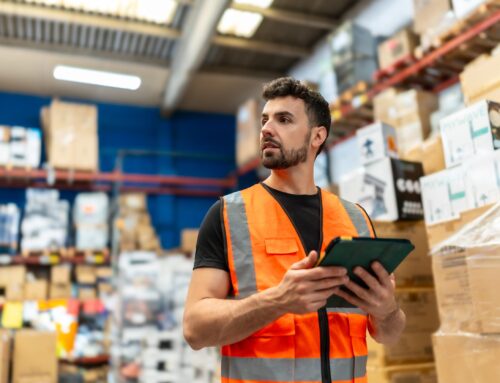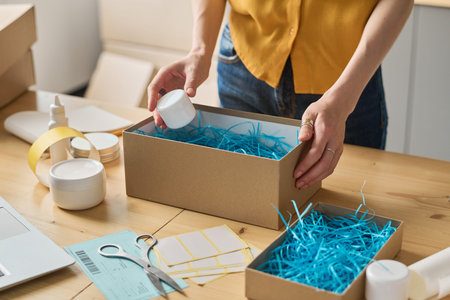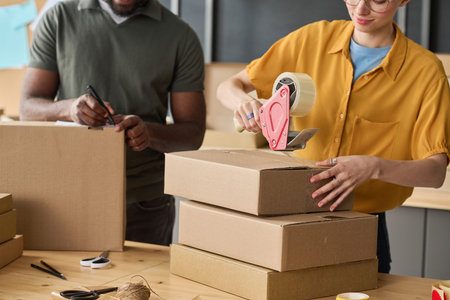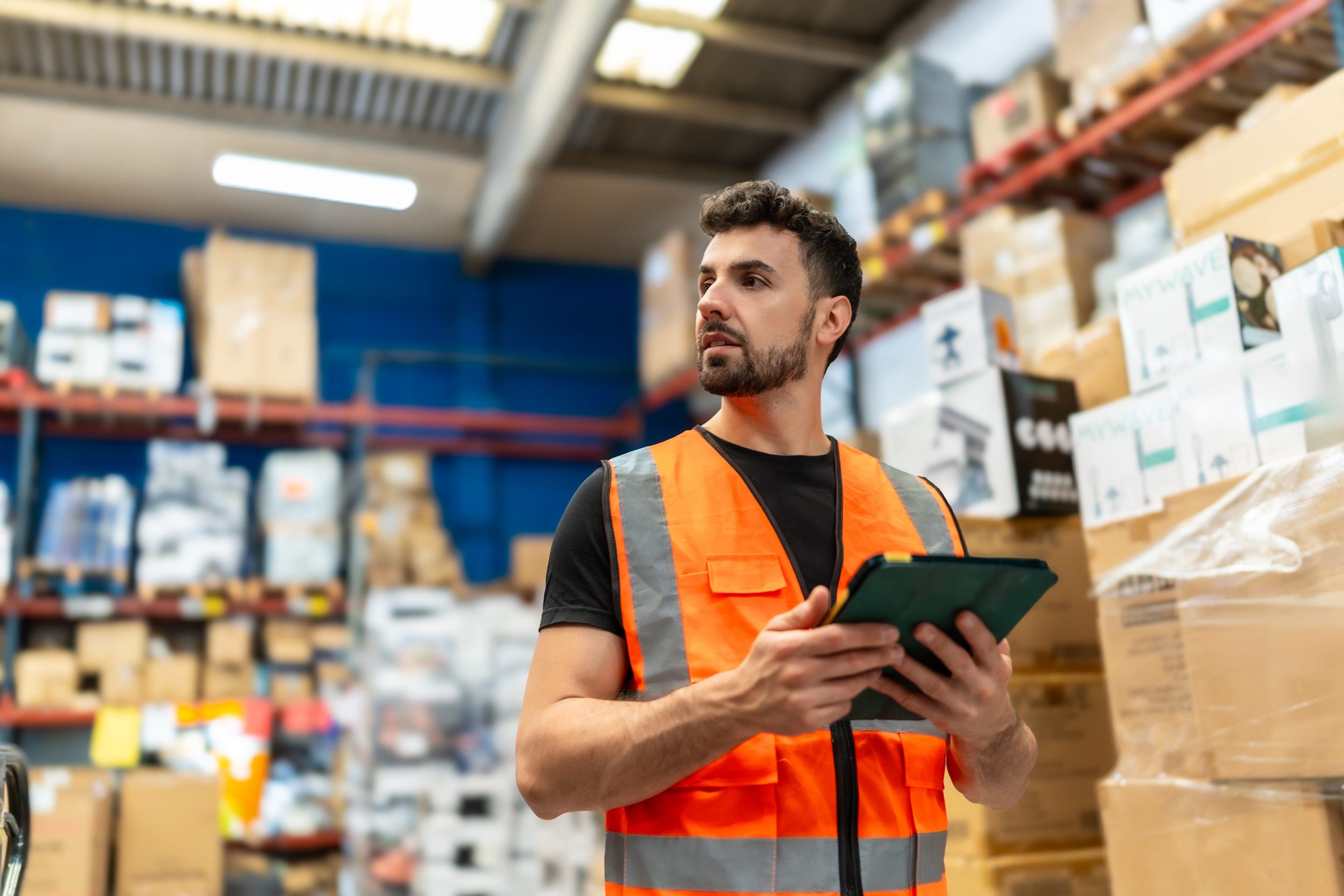
You need orders out the door today and inventory you can check on without booking a flight. When people search for a “3PL warehouse near me,” they’re usually just looking for storage space. But what you’re really buying is response time—and that makes all the difference.
1. Cutting the Distance to Your Customers
Distance is a quiet but heavy cost. Every extra mile means more fuel, more transit time, and more opportunities for something to go wrong. Federal freight data confirms most tonnage moves within 500 miles—that’s exactly where delivery promises are either kept or broken.
Shipping from Phoenix puts Southern California, Nevada, and New Mexico within a one-to-two-day ground window. This kind of positioning isn’t just a perk; it changes what you can promise your customers at checkout.
Way 2: Hands on Your Own Inventory the Same Afternoon
A buyer wants to inspect a sample. A lot needs pulling. A pallet arrives looking wrong and somebody has to actually look at it. When your goods sit twelve hundred miles away, each of those becomes an email chain and a three-day wait.
Our customers can walk their own racks. They can pull samples or check on a shipment the same afternoon they hear about an issue. That access isn’t just a nice-to-have; it’s the difference between fixing a problem quietly or having to apologize to a customer. That’s the real value of a local partner: the drive time when things go wrong.
Way 3: What a 3PL Warehouse Near Me Removes From Your Payroll
Managing it yourself means dealing with leases, forklifts, and a payroll that doesn’t go away during slow seasons. Partnering with a Phoenix warehousing operation converts those fixed expenses into variable costs that scale with you.
- Startup Costs: Shift from heavy investments in leases and equipment to none at all.
- Staffing: Instead of hiring and training yourself, you use a team that’s already in place.
- Slow Months: You only pay for the space you use, rather than paying for a building regardless of volume.
- Peak Season: You get flex space and labor when you need it, instead of hitting a capacity wall.
At the end of the day, it’s about trading a fixed monthly burden for a flexible partnership that moves when your business moves.
Way 4: One Team Owning Receiving, Storage, and the Truck
Most delivery delays happen during hand offs. When goods sit in one company’s warehouse and a separate broker handles the shipping, nobody truly “owns” the space in between. That’s where orders stall.
AWD keeps receiving, storage, and distribution all under one roof. One call is all it takes to move something early, without a chain of vendors pointing fingers at each other. A 3PL that also runs the trucks actually solves the problem instead of just moving it.
Way 5: Capacity That Moves With Your Season
Growth is where most setups break. Volume doubles, the same crew packs the same number of boxes, and your delivery window stretches while your reviews get worse. A nearby partner with real floor space absorbs that instead:
- Overflow space when a container lands early
- Extra labor through your peak weeks
- Both pallet-out B2B and single-parcel B2C from one building
- Room to hold slow-moving stock without renting a second unit
With online sales accounting for nearly 17% of all retail, that pressure lands squarely on your inventory management. We’ve spent decades absorbing those volume swings for brands right here in Phoenix.
Way 6: Fewer Surprises on the Invoice
Proximity makes billing a lot easier to understand. You can walk in and get an answer from the person who actually did the work. Your 3PL should be able to explain every line on your invoice without having to “check with the home office.”
Ask the AWD team to take a look at your current volume and show you what a local distribution center can save you in transit days. Businesses that make the move ship faster, spend less, and stop making excuses for delays. Why pay for miles you don’t need when your competitors are already delivering in half the time?