You want a large FF&E project to land on schedule: every chair, casegood, and fixture delivered in order, installed once, and signed off at the first walk-through. Yet ff&e installation services are only as strong as the logistics behind them. Late freight, mismatched finishes, and cartons stacked in the wrong order stall a build-out faster than any installer mistake. American Western Distribution (AWD) built its Phoenix process around closing that gap.
Tip 1: Treat Warehousing as Part of the Install Plan
Large projects ship from many vendors on different lead times, so product reaches the site in pieces. AWD receives each shipment, checks it against the purchase order, and holds it until the full set is ready. That is where ff&e installation services should start: at a receiving dock, not a job site. Consolidating also protects you from the partial-shipment problem, where one missing item holds up an entire room.
The problem is philosophical as much as logistical. Designers and project managers should not have to babysit freight trucks. When receiving is handled upstream, your team keeps its attention on the design, and AWD answers the freight questions so you do not have to.
Tip 2: Insist on Inspection at Receiving
Damage found on install day is expensive. Damage found at the dock is a claim you can file while the carrier still answers the phone. AWD inspects inbound freight and logs every discrepancy, which gives the vendor time to ship replacements before crews are scheduled. A sound receiving process includes:
- Counting cartons against the bill of lading before the driver leaves
- Noting visible freight damage on the delivery receipt
- Opening a sample of each item type to check finish and color match
- Photographing and logging every exception against the purchase order
Tip 3: Sequence Product for FF&E Installation Services
Installers lose hours hunting for the right carton, and a large project repeats that mistake hundreds of times. Label every piece by floor and room, and load trucks in the order crews will need them.
AWD stages product by install zone and keeps hardware packed with the pieces it belongs to, so crews pull from a sequenced load list. Strong ff&e installation services depend on that sequencing more than on headcount.
Tip 4: Match Delivery Windows to Building Rules
Buildings set the rules: freight elevator bookings, dock hours, and occupancy dates. A missed elevator slot on a multi-floor job can push a full day of installation into the following week. Before you sign, ask whether the ff&e installation services you are pricing include delivery coordination. AWD dispatches against those constraints so trucks arrive when the building can take them.
| Constraint | What the warehouse partner handles | What goes wrong without it |
|---|---|---|
| Freight elevator bookings | Schedules deliveries to reserved slots | Trucks idle in the lot |
| Loading dock hours | Dispatches inside the permitted window | Refused or rescheduled deliveries |
| Occupancy dates | Releases phased deliveries by floor | Furniture arriving before floors are ready |
Tip 5: Keep Handling Safe and Documented
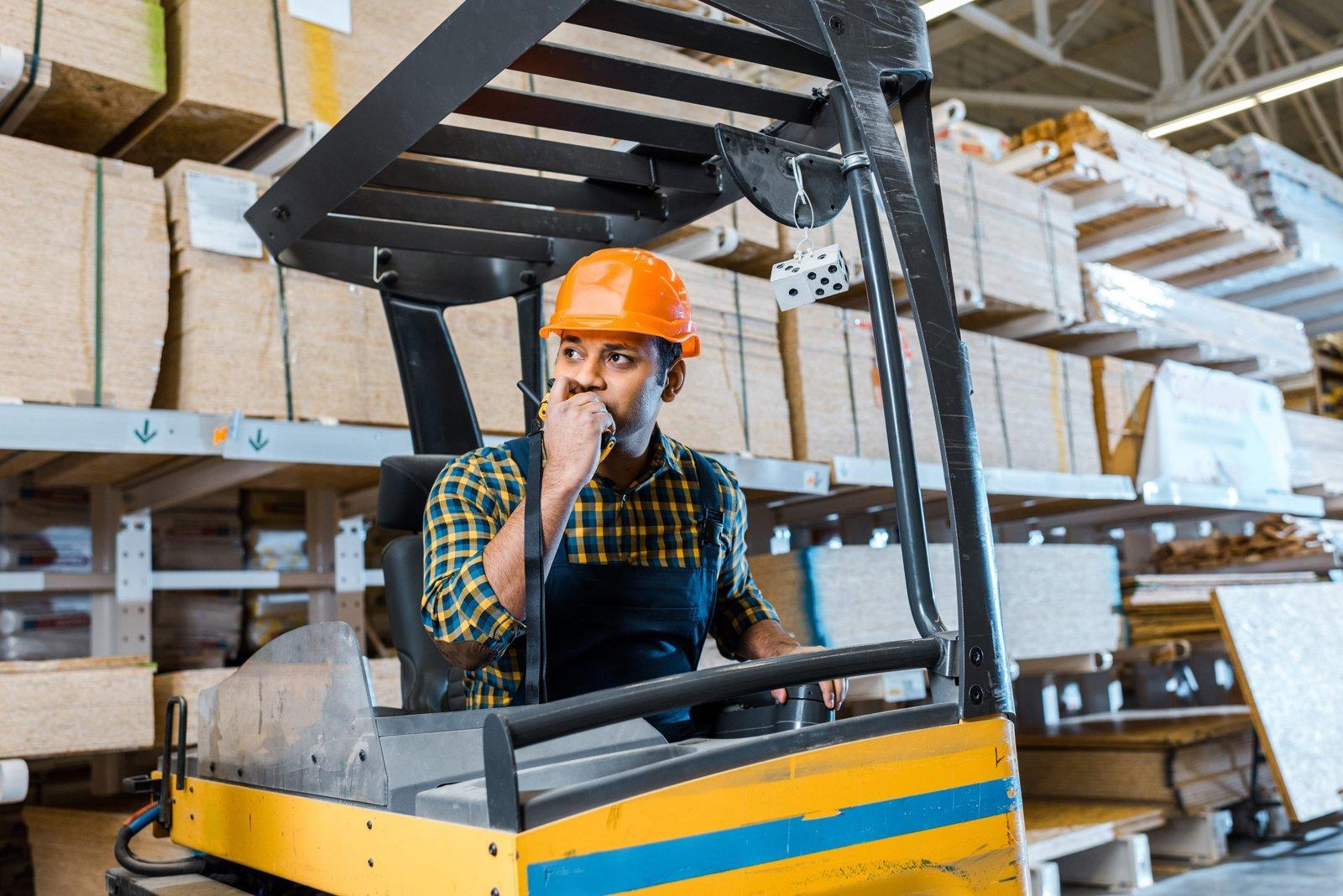
Pallets of casegoods move on forklifts, and forklift operators must be trained and certified under federal rules. Ask any partner for proof of operator training; AWD welcomes the question.
Paperwork matters as much as safety. AWD keeps packing lists, photos, and signed receipts for every shipment, so a disputed item can be traced to a dock, a truck, or a floor within minutes instead of days of finger-pointing between vendor, carrier, and installer.
Tip 6: Close Out With a Punch List and Warranty Handoff
Finished work should be checked against the manufacturer’s specifications and recognized commercial furniture standards. AWD walks the completed space with the project lead and records every open item.
The last step is a scheduled return visit. Repeat visits are far cheaper when one team owns both the inventory and the install. A written punch list with dates keeps ff&e installation services accountable and gives the client a clean handoff.
Nationwide projects add another reason to plan early, since vendors, carriers, and sites rarely share a calendar. A large project succeeds when the warehouse, the delivery schedule, and the installers work as one team. Done right, you get a floor that opens on time, furniture installed once, and a client who sees none of the scrambling behind it. Skip it, and late cartons, damaged pieces, and repeat visits eat the budget while competitors move into finished space. If your next project needs ff&e installation services backed by real warehousing capacity, talk with AWD about your project.