
The logistics and supply chain industry plays a critical role in how goods move from manufacturers to customers. Every step in the process must function smoothly to meet growing expectations around speed and reliability. As demand for faster delivery and better service continues to rise, businesses are under pressure to improve efficiency without sacrificing accuracy. Companies that fail to adapt often struggle to keep pace with these changes.
Fulfillment services have become a dependable solution for managing these challenges. By handling storage, order processing, and shipping, fulfillment services help simplify complex logistics tasks. This approach allows businesses to operate more efficiently while maintaining consistent service levels. With the right support in place, companies can focus on growth while keeping day-to-day operations running without disruption.
How Fulfillment Services Support Modern Business Operations
Breaking Down What Fulfillment Services Include
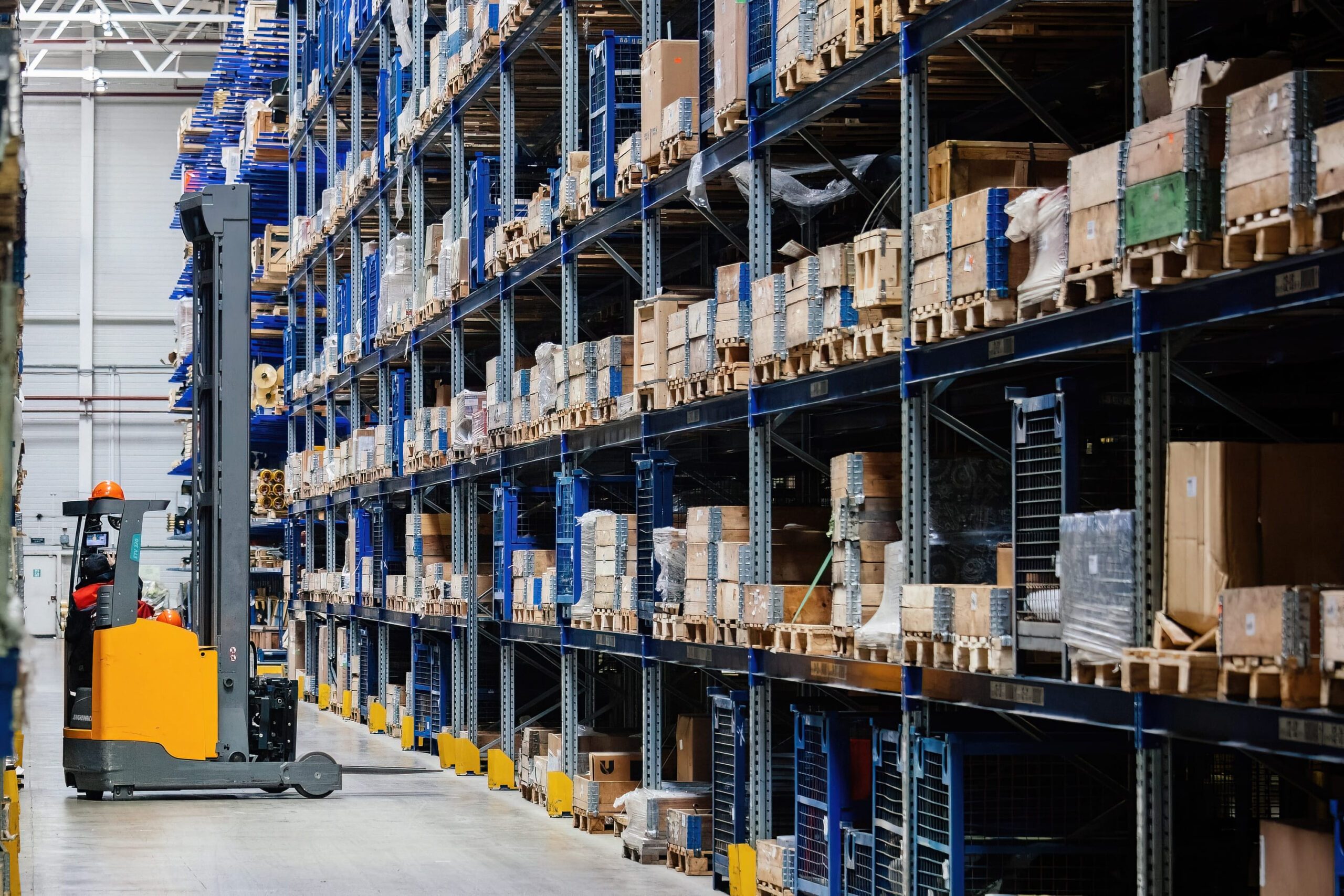
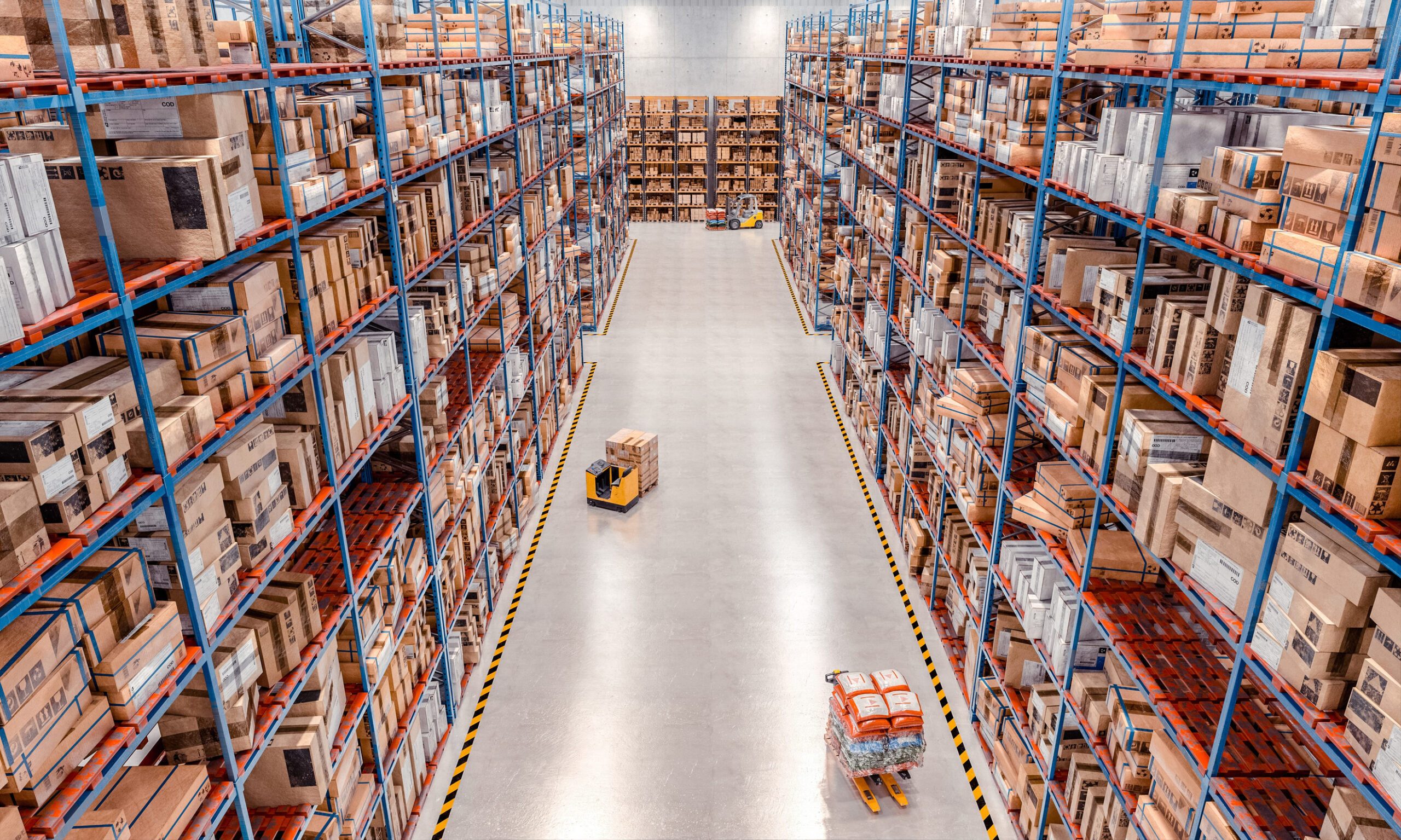
Fulfillment services cover the full process of preparing and delivering customer orders. This includes receiving inventory, organizing products, picking items, packing orders, and coordinating shipments. Each step is handled with systems designed to improve speed and accuracy. Businesses benefit from a more structured and reliable workflow.
Instead of managing these responsibilities internally, companies can rely on experienced providers. This shift reduces operational pressure and limits costly mistakes. Teams can spend less time handling logistics issues and more time focusing on core priorities. Over time, this leads to stronger overall performance and better results.
How Fulfillment Has Evolved Over Time
Fulfillment services have changed significantly as technology has advanced. Traditional warehouse operations relied heavily on manual labor and basic tracking methods. Today, modern fulfillment centers use automated systems to manage inventory and orders with precision. These improvements have transformed how quickly and accurately products move through the supply chain.
Automation tools such as barcode scanning and digital tracking help reduce delays and errors. Real-time updates give businesses better visibility into their operations. As a result, companies can respond more effectively to shifting demand. This ongoing evolution continues to improve efficiency across the industry.
Improving Efficiency Across The Supply Chain
Keeping Inventory Organized And Accessible
Managing inventory effectively is essential for maintaining smooth operations. Fulfillment services provide systems that track stock levels in real time. This helps businesses avoid running out of products or holding excess inventory. Accurate tracking supports better planning and decision-making.
With improved visibility, companies can respond quickly to changes in demand. Inventory remains organized and easy to access when needed. This reduces delays and improves efficiency across the supply chain. Strong inventory management helps maintain steady operations.
Connecting Every Step Of The Logistics Process
Fulfillment services bring different parts of the supply chain together into one coordinated system. Inventory management, shipping, and delivery are all connected through shared platforms. This improves communication and reduces the chance of delays. Each step works more effectively when it is aligned with the others.
Better coordination allows businesses to maintain consistent operations even during periods of growth. According to Gitnux, the global logistics market size is projected to grow at a CAGR of 7.1% by 2027, which highlights the increasing need for efficient and scalable systems. As demand rises, companies that rely on integrated fulfillment services are better positioned to keep pace with industry growth.
Supporting Growth Without Increasing Overhead
Lowering Costs Through Outsourced Logistics
Managing logistics internally can be expensive and time-consuming. Fulfillment services reduce these costs by offering access to shared infrastructure and resources. Businesses no longer need to invest heavily in warehouses or large teams. This leads to more efficient spending.
Lower operational costs create opportunities for reinvestment. Companies can allocate funds toward marketing, product development, or customer engagement. This balanced approach supports long-term growth. Financial flexibility becomes easier to maintain.
Scaling Operations With Greater Flexibility
As businesses grow, their logistics needs often become more complex. Fulfillment services provide the flexibility to handle increased demand without major disruptions. Providers can adjust quickly to changing order volumes. This allows businesses to expand with confidence.
Seasonal spikes and unexpected growth can be managed more effectively. Companies do not need to worry about capacity limitations. This level of flexibility supports long-term planning. Growth becomes more manageable over time.
Adapting To Unique Business Needs
Every business operates differently, and fulfillment services are designed to reflect that. Providers offer customized solutions that match specific workflows and goals. This allows companies to maintain their identity while improving efficiency. Flexibility remains a key advantage.
Tailored solutions help businesses deliver a consistent experience across all orders. Processes can be adjusted as needs change over time. This adaptability supports both short-term improvements and long-term growth. A personalized approach leads to better results.
Fulfillment services play a central role in improving logistics and supply chain efficiency. They simplify operations, reduce costs, and help businesses meet rising customer expectations without overwhelming internal teams. With the right systems in place, companies can operate more smoothly while maintaining consistent service. As demand continues to grow and competition increases, fulfillment services give businesses the structure and flexibility needed to scale with confidence and stay competitive over time. To learn more, reach out to the team at American Western Distribution.