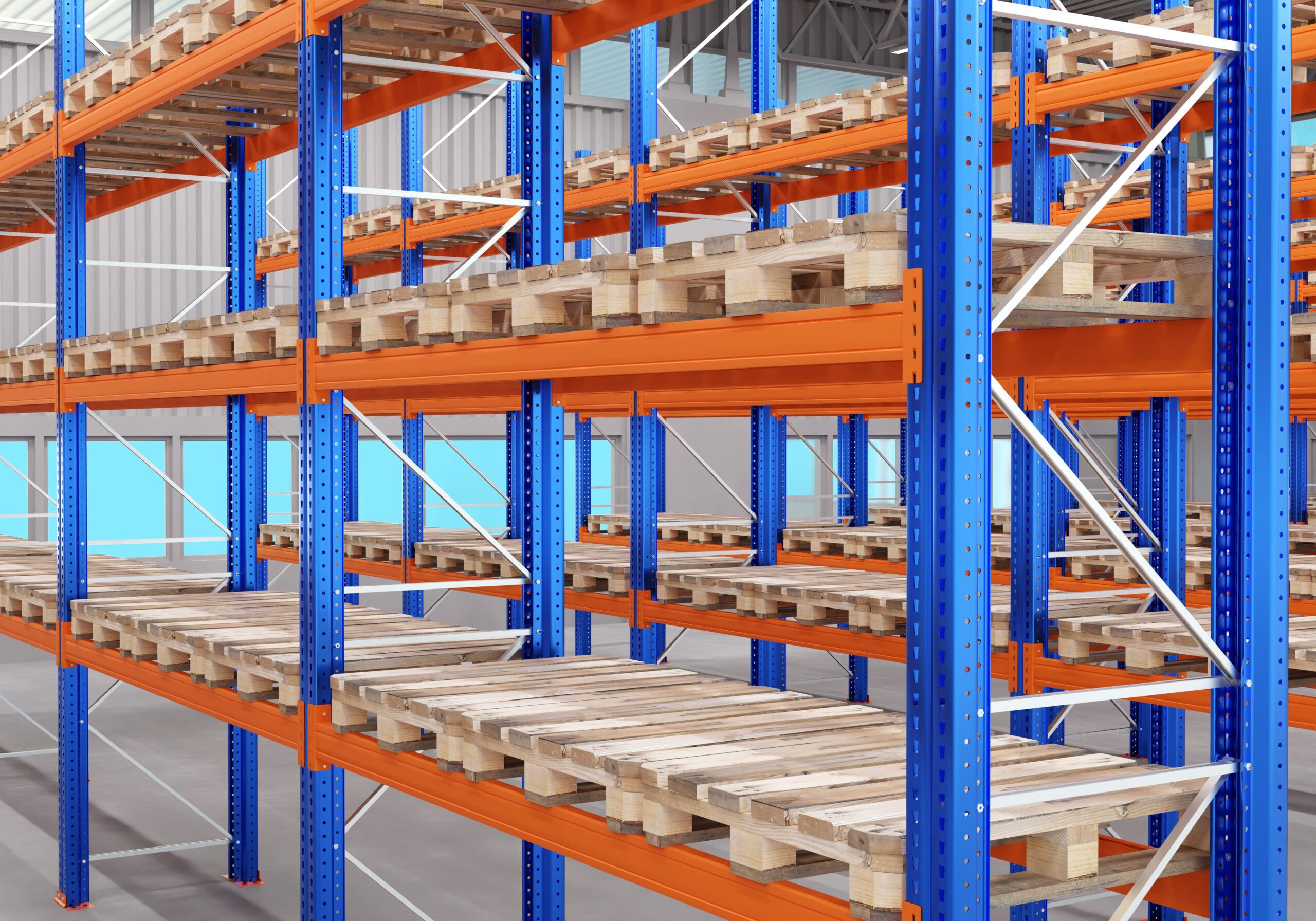
Ideally, your freight should land, get tucked away, and head right back out without a week of phone calls in between. For many growing businesses, storage and distribution are handled by two different companies. It might look efficient on a spreadsheet, but in reality, that split often ends up costing you valuable time on the warehouse floor.
The Real Cost of the “Middle Ground”
When a warehouse only cares about storage, they don’t have much incentive to worry about when your freight actually leaves. On the flip side, a carrier only focused on hauling might not even know what’s sitting on the racks until an email hits their inbox. Your products end up living in the gap between those two separate contracts.
At AWD, we see this all the time: pallets sitting idle for days because the storage team finished their job at put-away, but the trucking team hadn’t been looped in yet. Nobody did anything wrong, but the lack of a seamless transition is what ultimately pushes back your delivery dates.
Closing the Gap with One Unified Team
When receiving, racking, and loading are all part of the same operation, that “middle ground” disappears. The same crew that checks in your freight is responsible for staging it, meaning outbound planning starts the moment your product arrives.
American Western Distribution runs warehousing and distribution as one single workflow out of Phoenix. You get one point of contact, one inventory record, and one team that’s accountable for everything from dock to delivery. Next time you vet a partner, ask them: “Who signs for the freight, and does that same crew load the truck?” If it’s two different companies, you’ve found the gap.
Where Split Operations Break Down First
The failures are predictable, and they show up in the same places every time:
- Freight arrives damaged and neither vendor documents it, so the claim window closes
- Inventory counts drift because two systems never reconcile
- Rush orders wait for a truck that was never scheduled
- Nobody can tell you where a specific pallet is right now
- Storage bills and freight bills arrive separately and cannot be compared
Missing damage documentation is particularly costly. Handling and stacking are strictly governed by federal racking and securing rules. Because we own the whole process, we document the condition at receipt so you can file a carrier claim while the evidence is still fresh.
Inventory Counts That Match What Is Actually on the Floor
Most inventory headaches aren’t actually about ordering—they’re about visibility. Finding out you’re short right when a customer places an order is the most expensive time to realize there’s a problem.
Combining storage and distribution means your counts are updated in real-time as products move. Our customers see exactly what’s on hand and what’s shipped from a single record. That means the numbers you give your customers on Tuesday are actually still accurate on Wednesday.
Two Vendors or One: What Actually Changes
- Accountability: Moves from being divided and disputed to being handled by one single operation.
- Inventory Records: Instead of juggling two systems, you have one source of truth.
- Outbound Planning: Goes from being reactive to being planned the moment freight is received.
- Damage Claims: Instead of being missed, they are documented immediately at receipt.
- Rush Orders: Shift from needing heavy coordination to being possible on the same day.
Proximity matters, too. Federal data shows how much freight moves under 500 miles. Our Phoenix location puts the majority of the Southwest within a one-to-two-day ground window. Plus, we price warehousing and outbound freight together, so you get one clear invoice instead of two that never seem to match up.
Choosing a Partner That Handles Both
If you’re spending your week chasing down two different vendors for a single shipment, it’s costing you more than you think. Talk to us about moving your storage and distribution under one roof. You’ll stop losing pallets in the gap, ship faster, and finally get an invoice that makes sense.